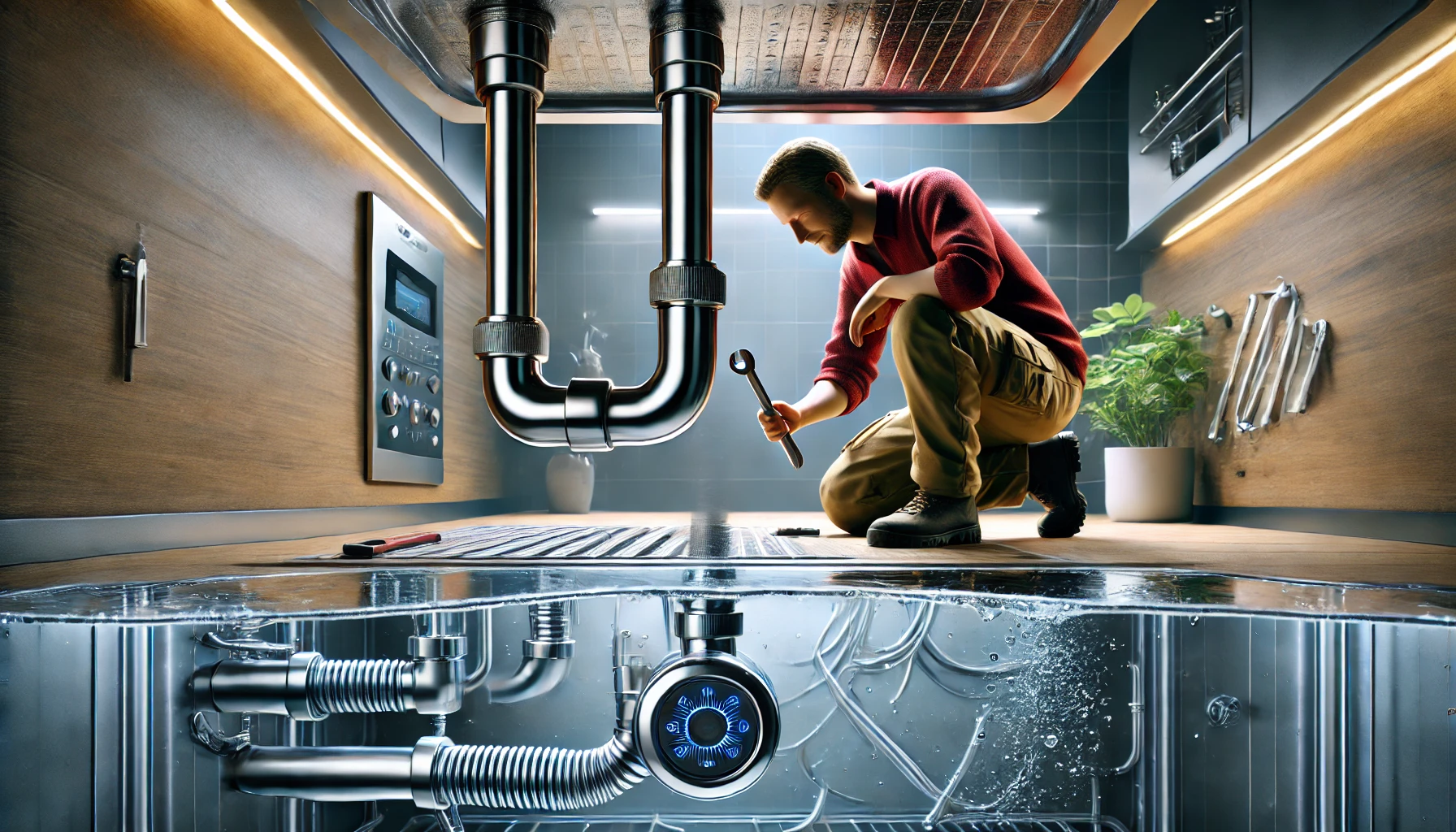
Homeownership comes with its fair share of challenges, and plumbing issues are among the most common. A leaking faucet, a clogged drain, or a running toilet can be frustrating and costly if left unattended. While some problems require professional intervention, many plumbing tasks can be handled with a bit of DIY knowledge and the right tools.
In this guide, we’ll walk you through essential plumbing tips that every homeowner should know. From fixing minor leaks to preventing major plumbing disasters, these insights will help you maintain your home’s plumbing system efficiently. Let’s dive in!
1. Understanding Your Home’s Plumbing System
Every homeowner should have a basic understanding of their plumbing system to detect problems early and prevent costly damage. The first step is to locate the main water shutoff valve, which is typically found near the water meter. This valve is crucial in case of an emergency, such as a burst pipe, as turning it off immediately can prevent extensive water damage.
Additionally, familiarize yourself with the different types of pipes in your home. Older homes often have copper or galvanized steel pipes, while modern houses use PVC or PEX piping. Knowing the materials used in your plumbing system helps when purchasing replacement parts or planning future repairs. Keeping a diagram of your home’s plumbing layout can also be useful for troubleshooting issues.
Keeping a diagram of your home’s plumbing layout can also be useful for maintenance and future renovations. In addition to plumbing, maintaining a clean and healthy home environment is essential. One way to achieve this is by using an efficient vacuum cleaner to remove dust and allergens. If you’re looking for the best option, check out our comprehensive review of robot vacuum cleaners to find the perfect model for your needs.
2. Fixing a Leaky Faucet
A dripping faucet might seem like a minor annoyance, but it can waste hundreds of gallons of water per year, significantly increasing your water bill. Most leaks occur due to worn-out washers, O-rings, or cartridges, which can be replaced with minimal effort.
To fix a leaky faucet, start by turning off the water supply under the sink. Then, use a wrench to disassemble the faucet, carefully noting how each part fits together. Inspect the washer or cartridge and replace it with a new one if it shows signs of wear. Reassemble the faucet, turn the water supply back on, and check for leaks. If the problem persists, the issue may be with the faucet’s seat, which may need resurfacing or replacement. You’ll then need to get in touch with professionnals who can advice you, or people holding blogs like: https://depannageplombiers.fr.
3. Unclogging Drains Without Harsh Chemicals
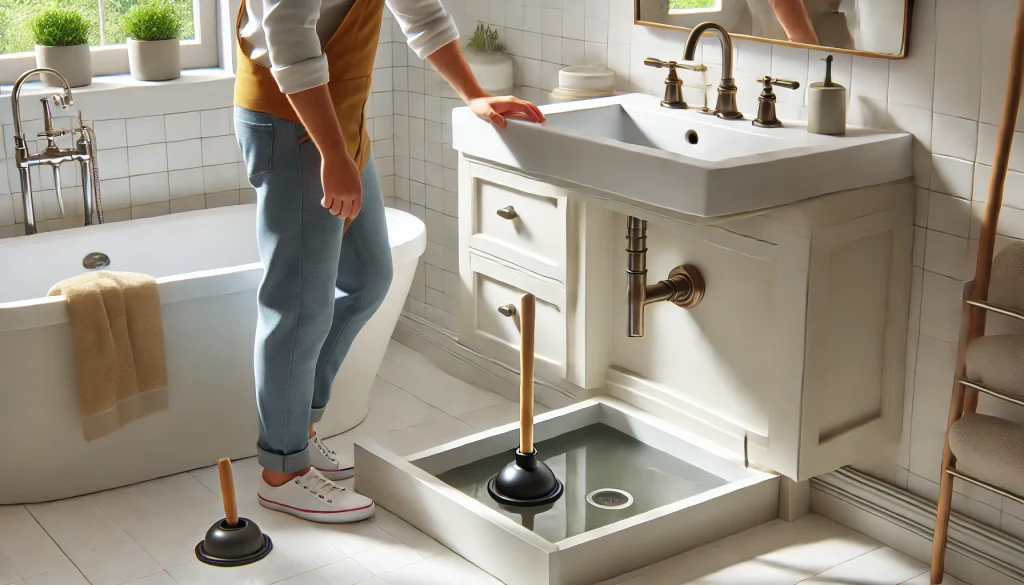
Clogged drains are a common plumbing issue, but many commercial drain cleaners contain harsh chemicals that can damage pipes over time. Fortunately, there are safer and more effective DIY methods for clearing blockages.
One of the simplest solutions is using a mixture of baking soda and vinegar. Pour half a cup of baking soda down the drain, followed by half a cup of vinegar. Let it sit for about 15 minutes, then flush with hot water. For tougher clogs, a plunger or a plumber’s snake can be used to dislodge debris. Regularly cleaning drains with boiling water and a mixture of salt and baking soda can help prevent future clogs. You’ll then need to get in touch with professionnals who can advice you, or people holding blogs like: https://www.habitat-services-plombier.fr.
4. Preventing and Fixing Running Toilets
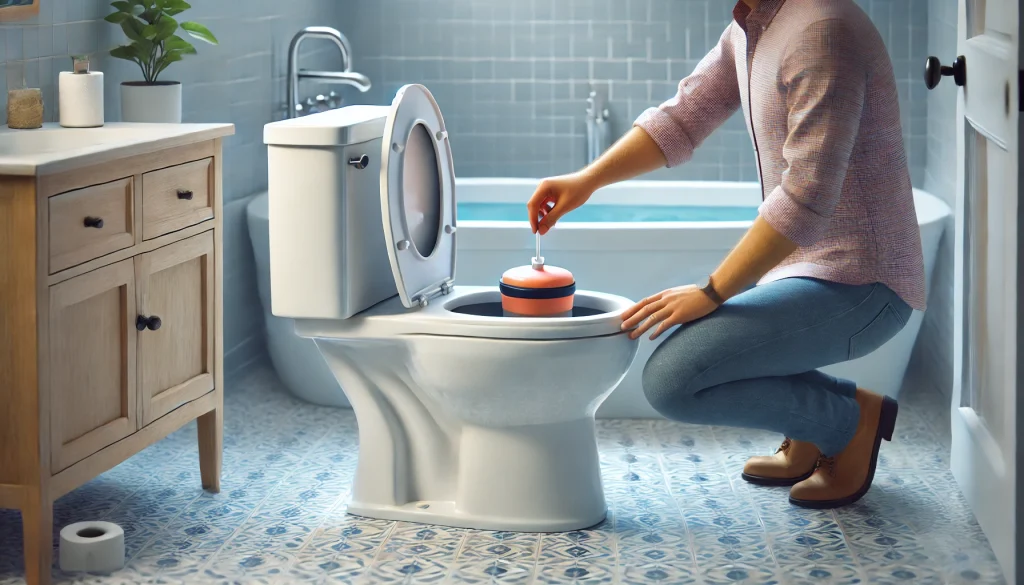
A running toilet can waste a significant amount of water if not fixed promptly. The most common causes are a faulty flapper, a misaligned float, or a worn-out fill valve.
To diagnose the issue, remove the tank lid and check if the flapper is sealing properly. If the flapper is old or damaged, replacing it is a quick and inexpensive fix. If the water level is too high, adjusting the float can help regulate the fill cycle. In cases where the fill valve is malfunctioning, replacing it with a new one is often the best solution. Most toilet repairs require only a few basic tools and can be completed in under an hour. You’ll then need to get in touch with professionnals who can advice you, or people holding blogs like: https://plombier-artisan-clement.fr/.
5. Fixing Low Water Pressure
Low water pressure can be frustrating, especially when showering or washing dishes. This issue is often caused by mineral buildup in faucets, clogged aerators, or underlying problems in the plumbing system.
To improve water pressure, start by cleaning the faucet aerators. Unscrew the aerator from the faucet and soak it in vinegar overnight to dissolve mineral deposits. If the problem persists, check for leaks or blockages in the main water supply line. In some cases, replacing old pipes or installing a pressure-boosting pump may be necessary. Regularly maintaining faucets and showerheads can help prevent long-term pressure issues. You’ll then need to get in touch with professionnals who can advice you, or people holding blogs like: https://www.xavier-home-services.fr/.
6. Dealing with Frozen Pipes in Winter
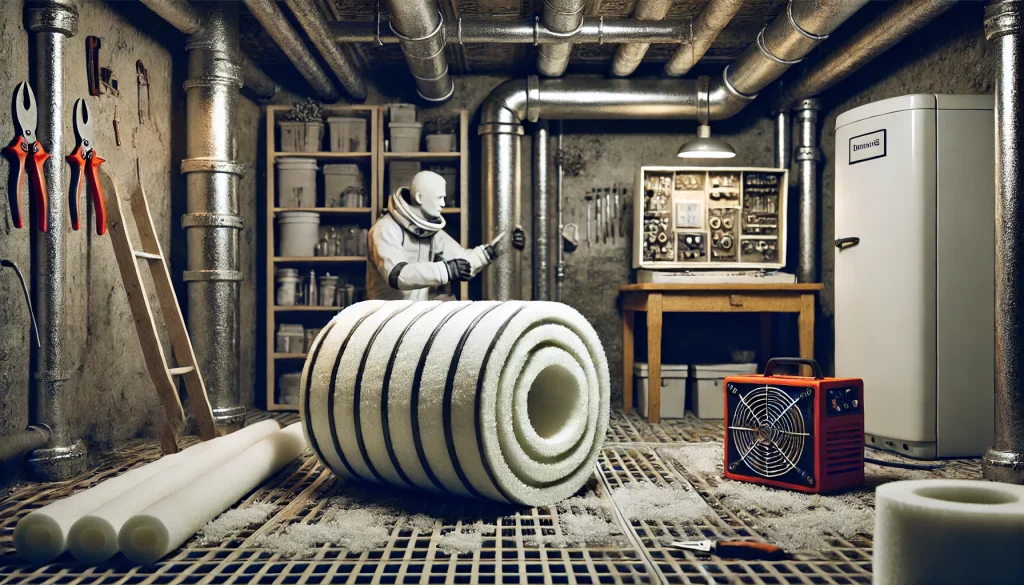
In colder climates, frozen pipes pose a serious risk, as they can burst and cause extensive water damage. Preventing frozen pipes starts with proper insulation. Wrap exposed pipes with foam insulation or heating tape, especially in unheated areas like basements, attics, and garages.
If a pipe does freeze, act quickly to prevent it from bursting. Turn off the main water supply and gently heat the frozen section with a hairdryer, heat lamp, or warm towels. Never use an open flame, as this can damage pipes or create a fire hazard. Keeping cabinets open in the kitchen and bathroom can also help warm air circulate around pipes during freezing temperatures.
7. Replacing a Showerhead
A worn-out or outdated showerhead can lead to poor water flow and inefficiency. Replacing it with a modern, water-efficient model is a simple upgrade that can enhance your shower experience while reducing water consumption.
To replace a showerhead, first, unscrew the old one using an adjustable wrench or by hand if it’s loose. Clean the shower arm threads and apply plumber’s tape to create a watertight seal. Then, screw on the new showerhead and tighten it securely. Test the water flow and check for leaks. If needed, reapply plumber’s tape and adjust the fitting to ensure a proper seal.
8. Maintaining Your Water Heater
A properly maintained water heater ensures a steady supply of hot water and prolongs the appliance’s lifespan. Sediment buildup inside the tank is a common issue that reduces efficiency and can lead to overheating.
To flush the water heater, turn off the power supply and connect a hose to the drain valve. Open the valve and let the water flow out until it runs clear. This process helps remove sediment and improves heating efficiency. Checking the anode rod for corrosion and replacing it when necessary can also extend the heater’s life. Regular maintenance prevents costly breakdowns and ensures consistent performance.
9. Installing a New Sink or Faucet
Upgrading a kitchen or bathroom sink can refresh the look of a space while improving functionality. While installing a new sink or faucet may seem complex, following a step-by-step approach makes the task manageable.
Start by turning off the water supply and disconnecting the old fixture. If replacing a sink, ensure the new one fits the existing cutout or make necessary adjustments. Install the faucet before securing the sink in place to make the process easier. Use plumber’s putty or silicone sealant to prevent leaks. Once connected, turn the water supply back on and test for leaks, tightening connections if necessary.
10. When to Call a Professional Plumber
While many plumbing issues can be handled with DIY solutions, some situations require professional assistance. Persistent leaks, major pipe damage, sewer line problems, and complex installations are best left to experienced plumbers.
Ignoring serious plumbing issues can lead to structural damage and costly repairs. If you’re unsure about a repair or encounter a problem beyond your expertise, don’t hesitate to seek professional help. Investing in regular plumbing inspections can also help identify potential issues before they escalate, saving time and money in the long run.
Plumbing maintenance is an essential part of homeownership, and knowing how to handle basic repairs can save both time and money. By understanding your home’s plumbing system and tackling minor issues before they worsen, you can prevent major damage and keep your home in excellent condition.
Whether it’s fixing a leaky faucet, unclogging a drain, or replacing a showerhead, these DIY tips empower homeowners to take control of their plumbing needs. However, always recognize when a problem is beyond your skill level and seek professional assistance when necessary. With regular maintenance and timely repairs, you can ensure a hassle-free plumbing system for years to come.